Thinking about applying for a personal loan but unsure if your credit meets the requirements? You’re not alone.
Many people wonder what it really takes to get approved and how your credit score affects your chances. Understanding personal loan credit requirements is key to unlocking the funds you need without unnecessary stress or delays. You’ll discover the credit scores lenders look for, what other financial factors come into play, and how to check your credit safely before applying.
Keep reading to learn exactly what you need to qualify and take control of your loan journey with confidence.
Credit Score Basics
Minimum credit scores needed for personal loans usually start around 580 to 620. Scores below this range make approval difficult. Scores above 700 increase chances of approval and better interest rates. Lenders group scores into tiers:
| Credit Score Tier | Score Range | Approval Chances | Interest Rate |
|---|---|---|---|
| Excellent | 750 and above | Very High | Lowest rates |
| Good | 700–749 | High | Low rates |
| Fair | 620–699 | Medium | Moderate rates |
| Poor | 580–619 | Low | High rates |
| Very Poor | Below 580 | Very Low | Very high or no approval |
Higher credit scores usually mean easier loan approval. Lower scores can lead to denials or higher interest rates. Lenders use these tiers to decide how risky you are as a borrower. Your credit score directly impacts your loan options.
Income And Employment
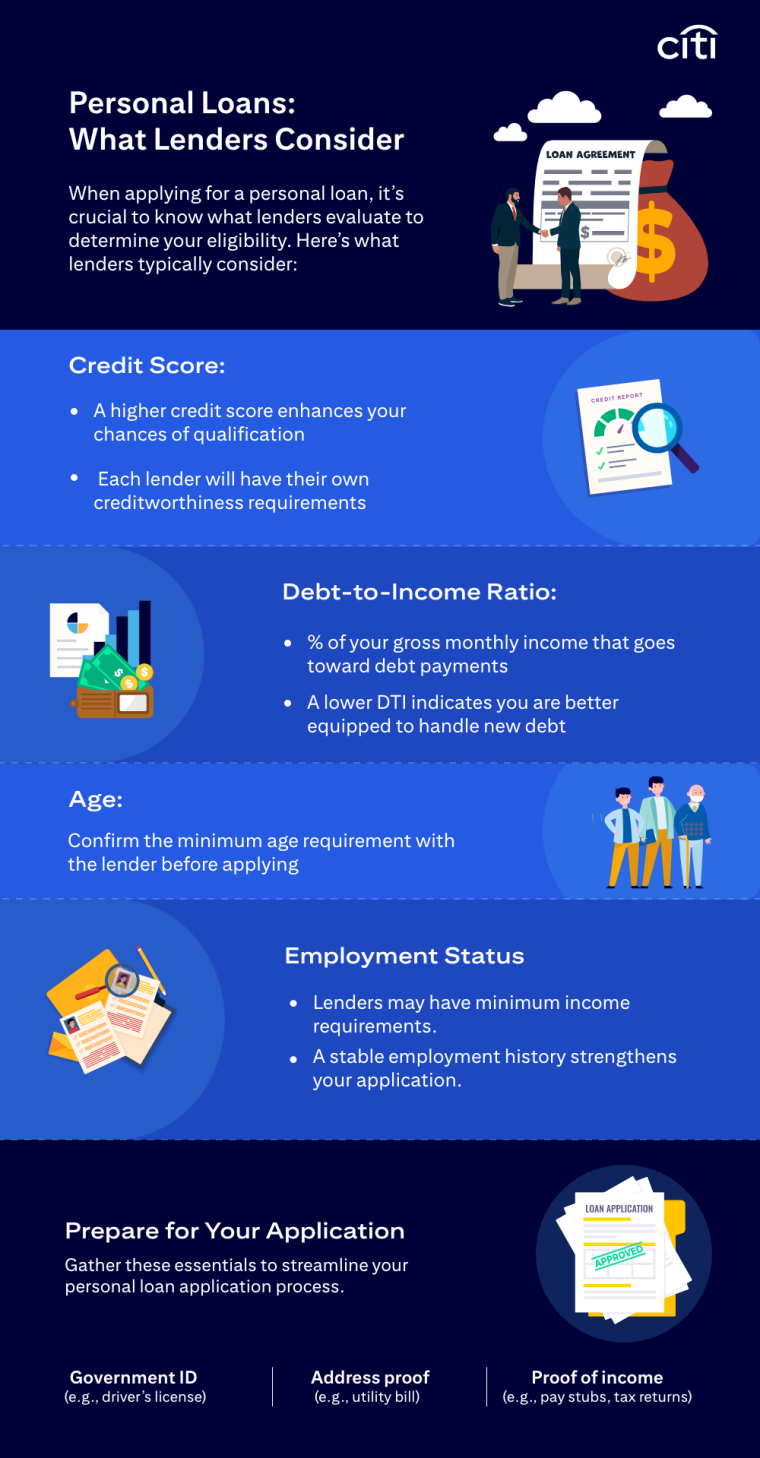
Stable income is crucial for loan approval. Lenders want to see steady earnings that cover monthly payments. A consistent job history shows reliability and lowers risk.
Income verification documents include pay stubs, tax returns, and bank statements. These papers prove your ability to repay the loan. Keep them ready to speed up the process.
Special cases like SSDI recipients can still get loans. Proof of disability income and its stability helps lenders decide. Some lenders have specific rules for SSDI beneficiaries.
Debt-to-income Ratio
Calculating your debt-to-income ratio (DTI) means dividing your monthly debts by your monthly income. This shows lenders how much of your income goes to paying debts.
The ideal DTI for loan approval is usually below 36%. Some lenders accept up to 43%, but the lower, the better. A low DTI means you have more money to pay a new loan.
Managing existing debt helps keep your DTI low. Pay off credit cards and loans on time. Avoid taking new debt before applying for a personal loan. This shows lenders you handle money responsibly.
:max_bytes(150000):strip_icc()/are-personal-loans-bad-your-credit-score.asp_FINAL-44664c5b7c6b4d73b8ddc4699d545722.png)
Cash Flow Considerations
Free cash flow means the money left after paying all bills each month. Lenders check this to see if you can pay back a loan comfortably. They want to know your income minus your daily expenses like groceries, rent, utilities, and gas. This leftover money shows your ability to handle new debt without trouble.
Tracking your daily expenses helps lenders understand your spending habits. They review bank statements and transactions to spot regular payments and unexpected costs. This review helps them confirm that you manage your money well and have room to repay a loan.
| Cash Flow Aspect | Description |
|---|---|
| Free Cash Flow | Money left after paying monthly bills and expenses |
| Daily Expense Assessment | Checking regular spending habits like groceries and utilities |
| Lenders’ Transaction Review | Examining bank statements to verify income and spending |
Factors That Can Disqualify You
Recent bankruptcies and foreclosures can stop lenders from approving your loan. These show you had trouble paying past debts. Many lenders see this as a sign of high risk. This can make it hard to get a loan.
Credit report errors also cause problems. Sometimes wrong information appears on your report. This can lower your credit score unfairly. Check your report regularly to find and fix mistakes. A clean report helps your chances.
High debt levels mean you owe a lot of money already. Lenders worry you cannot handle more payments. They look at your debt-to-income ratio to see if you can repay the loan. Keeping debts low improves approval chances.

Checking Credit Without Harm
Soft inquiries allow you to check your credit without lowering your score. These happen when you check your own report or a company does a pre-approval. Hard inquiries occur when you apply for credit, and they can lower your score slightly.
To avoid hurting your credit, use soft inquiries for regular checks. Limit hard inquiries to only when necessary, like applying for a personal loan. Too many hard inquiries can signal risk to lenders.
Several tools help you watch your credit easily. Services like Credit Karma, Experian, and Mint offer free credit score monitoring. They send alerts for changes or suspicious activity, helping you stay on top of your credit health.
Documents Needed To Apply
To apply for a personal loan, lenders need proof of identity. This can be a government-issued ID like a driver’s license or passport. It helps confirm who you are.
Income statements show how much money you earn. Pay stubs, tax returns, or bank statements are common examples. These prove you can repay the loan.
Credit history reports give lenders a look at your borrowing habits. They check if you pay bills on time and how much debt you have. A good credit history increases loan approval chances.
Tips To Qualify Faster
Improving your credit score can speed up loan approval. Pay bills on time and keep credit card balances low. Avoid opening many new accounts in a short time.
Reducing your debt before applying is important. Lowering your debts improves your debt-to-income ratio. This shows lenders you manage money well and can repay the loan.
Choosing the right lender matters. Some lenders accept lower credit scores or offer better rates. Research multiple lenders and compare their terms carefully before applying.
Options For Bad Credit
Lenders specializing in low scores focus on borrowers with less-than-perfect credit. They offer loans with higher interest rates but easier approval. These lenders consider factors beyond credit scores, such as employment history and income stability. Borrowers with bad credit can find options here, but terms may vary widely.
Secured loans require collateral, like a car or savings account. They usually have lower interest rates and better approval chances. Unsecured loans do not need collateral but often come with higher rates. Borrowers with poor credit may prefer secured loans for better terms.
Alternative credit data includes rent, utility, and phone payment history. Lenders use this data to assess creditworthiness beyond traditional scores. It helps people with limited credit history qualify for personal loans. Using alternative data opens new doors for many borrowers.
Frequently Asked Questions
What Is The Minimum Credit Score For A Personal Loan?
The minimum credit score for a personal loan typically ranges from 580 to 640. Higher scores improve approval chances and loan terms.
Can You Get A Loan On Ssdi?
Yes, you can get a loan on SSDI, but lenders often require proof of steady income and good credit.
What Disqualifies You From Getting A Personal Loan?
Low credit score, high debt-to-income ratio, recent bankruptcy, insufficient income, or errors on your application disqualify you from a personal loan.
What Credit Score Is Needed For A $10,000 Personal Loan?
A credit score of 600 or higher generally qualifies for a $10,000 personal loan. Higher scores get better rates. Lenders also consider income and debt-to-income ratio.
Conclusion
Meeting personal loan credit requirements helps secure better loan terms. Lenders review credit scores, income, and debt levels carefully. Maintaining a good credit score improves approval chances. Managing monthly expenses and debts shows lenders you can repay. Always check your credit report for errors before applying.
Understanding these factors prepares you for a smooth loan process. Stay informed and plan your finances wisely for loan success.
Read More
- Credit Score Improvement Service: Boost Your Credit Fast Today
- Premium Credit Repair Consultation: Unlock Your Financial Freedom Today
- Travel Credit Card Comparison: Maximize Rewards & Save Big
- Low Credit Loan Approval: Quick Tips for Guaranteed Success
- Mortgage Credit Score Needed: Unlock Homeownership Success Today
- Secured Credit Loan Options: Top Picks for Easy Approval
- Debt Consolidation Loan Rates: Unlock the Best Deals Today
- Credit Repair for Mortgage: Boost Your Score Fast & Secure Approval
- Credit Builder Loan Online: Boost Your Credit Score Fast
- Home Loan Credit Approval: Top Tips to Secure Your Dream Home