
Thinking about refinancing your mortgage? Before you dive in, ask yourself: Is your credit score in the best shape it can be?
Improving your credit before refinancing isn’t just a smart move—it can save you thousands by unlocking lower interest rates and better loan terms. You might feel stuck or unsure where to start, but small changes can make a big difference fast.
You’ll discover simple, proven steps to boost your credit score so you can refinance with confidence and get the best deal possible. Keep reading—your wallet will thank you.
Credit Score Basics
Credit scores affect your ability to refinance at good rates. Higher scores usually mean lower interest rates and better loan terms. Lenders look at your score to decide if you are a low-risk borrower.
Key factors that shape your credit score include:
- Payment history: Paying bills on time is very important.
- Credit utilization: Keep balances low compared to your credit limits.
- Length of credit history: Older accounts help your score.
- Types of credit: A mix of credit types is good.
- New credit inquiries: Too many recent applications can lower your score.
Refinancing may briefly lower your credit score due to new credit checks. Keeping balances low and paying on time can improve your score before refinancing.
Lower Credit Card Balances
Focus on paying off credit cards with the highest interest rates first. This saves money on interest and reduces debt faster.
The Debt Avalanche method pays off cards with the highest rate first, then moves to lower rates. This method saves the most on interest.
The Debt Snowball method pays off the smallest balance first to build motivation. Then, it moves to larger balances.
Both methods help lower your credit card balances, which improves your credit score. Lower balances mean better credit utilization.
Better credit scores can help you get lower refinance rates on loans. Pay down those high-interest cards quickly.
Increase Credit Limits
Requesting a credit line increase can help lower your credit utilization. This ratio compares your credit card balances to your total credit limit. A lower utilization rate often improves your credit score. Banks may review your income and payment history before approving an increase. Keep balances low and pay bills on time to boost chances.
Higher credit limits mean you use less of your available credit. For example, if your limit rises from $2,000 to $4,000 but your balance stays $500, utilization drops from 25% to 12.5%. This change looks better to lenders and credit scoring models.
| Credit Limit | Balance | Utilization |
|---|---|---|
| $2,000 | $500 | 25% |
| $4,000 | $500 | 12.5% |
Manage Credit Utilization
Ideal credit utilization ratios usually stay below 30%. This means using less than 30% of your total credit limit. Lower ratios can help your credit score improve.
To reduce utilization quickly, pay down balances on credit cards. Focus on cards with the highest balances first. Making multiple payments in a month also lowers reported balances. Avoid closing credit cards after paying them off. Closing cards can reduce your total credit limit and raise your ratio.
| Strategy | Details |
|---|---|
| Pay down balances | Focus on cards with the highest balance first |
| Make multiple payments | Pay more than once monthly to lower balances reported |
| Keep credit cards open | Do not close cards after paying off to keep credit limit high |
| Avoid new debt | Do not add new balances before refinancing |
Avoid New Credit Applications
Hard inquiries happen when lenders check your credit after a new credit request. These checks can lower your credit score by a few points. The more hard inquiries you have, the more your score may drop. This can affect your ability to get a good refinance deal.
It is best to avoid applying for new credit right before refinancing. Each new credit request adds a hard inquiry. Multiple inquiries in a short time can make lenders see you as risky.
Timing new credit requests is key. Wait at least six months after applying for new credit before starting your refinance process. This helps your score recover from any hard inquiries. A better score can lead to better refinance terms.

Fix Credit Report Errors
Check your credit report carefully for any errors. Mistakes can lower your score.
Look for wrong names, addresses, accounts, or late payments. These could be outdated or incorrect.
Dispute any inaccurate information with the credit bureau. This can take time but is worth it.
Send a dispute letter or use online tools provided by bureaus like Equifax, Experian, or TransUnion.
Keep copies of your dispute documents and responses from the credit bureaus.
Fixing errors can help raise your credit score before refinancing your loan.
Use Experian Boost And Similar Tools
Experian Boost helps improve your credit score fast. It adds your paid utility and phone bills to your credit report. This can raise your score if you have a good payment history.
It works by linking your bank account to check your bill payments. Only bills paid on time get counted. This tool updates your credit report instantly, which may help lenders see you as less risky.
Using Experian Boost can make refinancing easier. A higher credit score means you may get better loan rates and lower interest costs. This can save you money over time.
Other tools like it also track on-time payments not usually counted. They give a fuller picture of your credit habits. This helps improve your chances to refinance with favorable terms.
Make Payments On Time
Setting up payment reminders helps you never miss due dates. Use phone alarms, email alerts, or calendar notifications. These simple tools keep payments on track and avoid late fees.
Automatic payments are another smart way to pay bills on time. They withdraw money directly from your bank account. This method ensures your payment is made each month without effort.
Both reminders and automatic payments improve your credit score. Timely payments show lenders you are responsible. This boosts your chances of getting better refinance rates.
Build A Positive Credit History
Keeping old accounts open helps build a longer credit history. This can raise your credit score over time. Closing accounts may lower your score by reducing your credit age and available credit.
Diversifying credit types means having different kinds of credit, like credit cards, loans, or a mortgage. This shows lenders you can handle various debts. A mix of credit types can improve your credit profile.
| Action | Benefit |
|---|---|
| Keep old credit cards open | Increases credit age and available credit |
| Have different credit types | Shows ability to manage different debts |
| Pay bills on time | Builds positive payment history |
Timing Your Refinance
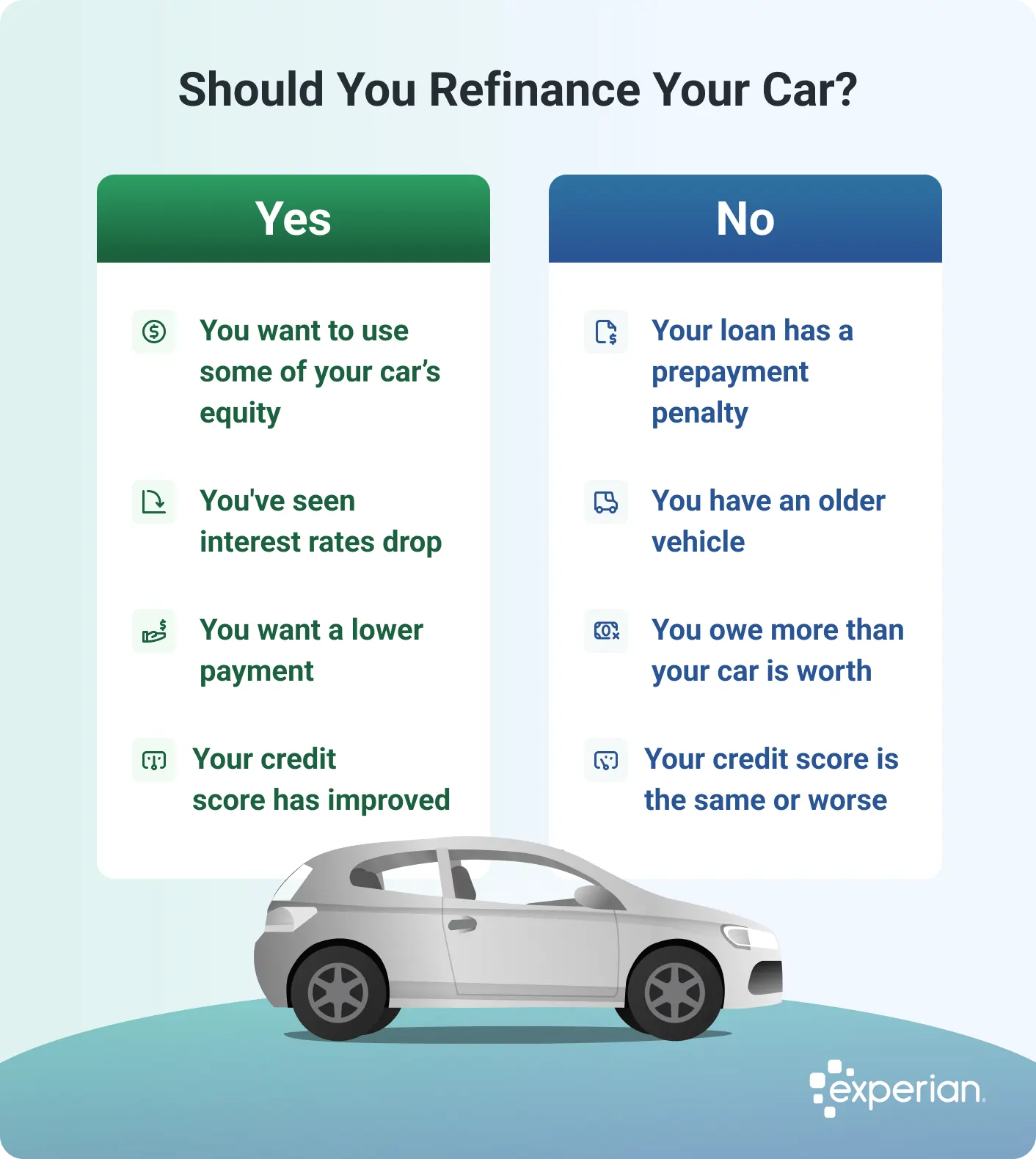
Improving credit can take several months. Most lenders suggest waiting 3 to 6 months before refinancing. This time allows your credit score to rise after paying down debts or fixing errors.
Locking in rates is important. Rates can change daily. Lock rates when you find a good deal. But don’t wait too long if rates are rising. Balance improving credit and timing rates carefully.
| Action | Recommended Time |
|---|---|
| Pay down credit card balances | 3-6 months |
| Fix credit report errors | 1-2 months |
| Lock in refinance rate | When rates are low |
Work With Credit Professionals
Credit counseling services help people understand their credit better. They offer advice on managing debts and paying bills on time. These services can create a plan to improve your score. Working with a credit counselor can save money and avoid scams.
Choosing a credit repair company takes care. Check their background and reviews. Avoid companies that promise quick fixes or ask for large upfront fees. A good company will explain your credit report and suggest real steps to fix errors. Always read the contract before signing.
Frequently Asked Questions
What Is The 3 7 3 Rule In Mortgage?
The 3-7-3 rule in mortgage means a borrower should have at least 3% down payment, 7% monthly income for payments, and a 3-year credit history.
How To Increase Credit Score To 700 In 30 Days?
Pay down credit card balances below 30% of your limit. Avoid new credit inquiries. Correct errors on your credit report. Pay all bills on time. Request higher credit limits to lower utilization ratio.
What Credit Score Do I Need To Buy A $400,000 House?
A credit score of at least 620 is typically needed to buy a $400,000 house. Higher scores improve loan options.
How Rare Is An 830 Fico Score?
An 830 FICO score is very rare, ranking in the top 1% of all credit scores. It shows exceptional credit management.
Conclusion
Improving your credit before refinancing can save money and stress. Lower balances and keep credit use low. Pay bills on time to build a strong credit history. Small changes today lead to better loan options tomorrow. Take control of your credit, and refinance with confidence.
Read More
- Credit Score Improvement Service: Boost Your Credit Fast Today
- Premium Credit Repair Consultation: Unlock Your Financial Freedom Today
- Travel Credit Card Comparison: Maximize Rewards & Save Big
- Low Credit Loan Approval: Quick Tips for Guaranteed Success
- Personal Loan Credit Requirements: Essential Tips to Qualify Fast
- Mortgage Credit Score Needed: Unlock Homeownership Success Today
- Secured Credit Loan Options: Top Picks for Easy Approval
- Debt Consolidation Loan Rates: Unlock the Best Deals Today
- Credit Repair for Mortgage: Boost Your Score Fast & Secure Approval
- Credit Builder Loan Online: Boost Your Credit Score Fast